The Guest Room Nobody Talks About: How to Make It Yours — Both of You
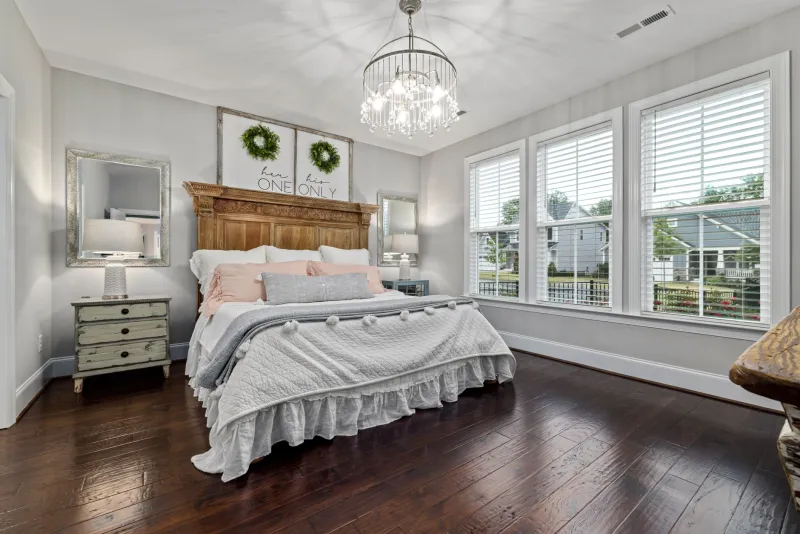
Here's something most renovation guides skip right over: the guest bedroom.
Coaches, designers, and every well-meaning podcast host will walk you through how to compromise on kitchen cabinet hardware or who gets more closet space in the primary suite. But the guest room? It just kind of sits there, waiting. Usually it ends up as a dumping ground for leftover furniture, a random print from one partner's old apartment, and a duvet that nobody really loves.
Which is honestly a missed opportunity — because the guest bedroom might be the most creatively free space in your entire home.
There's no daily functionality to fight over. Nobody needs it to hold a specific number of pots or face a particular direction for morning light. It's a room that exists to welcome people, which means it can exist just as much to welcome both of you — your individual aesthetics, your separate histories, your combined sense of what home should feel like.
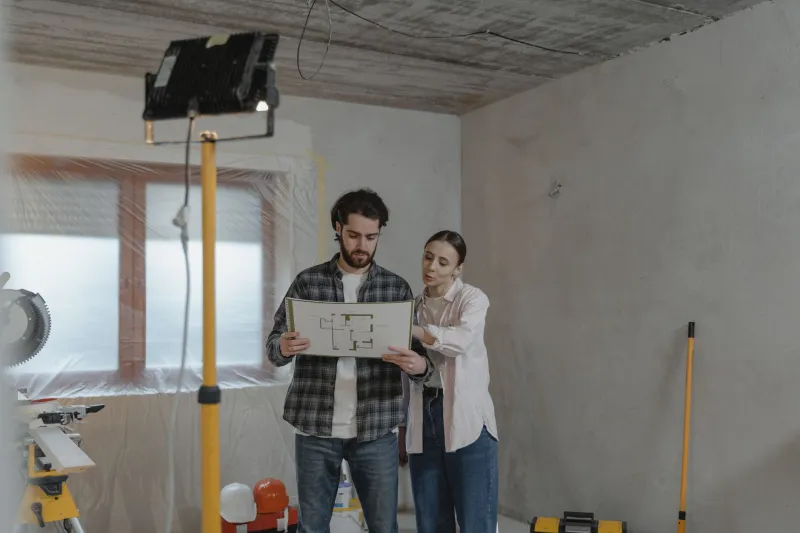
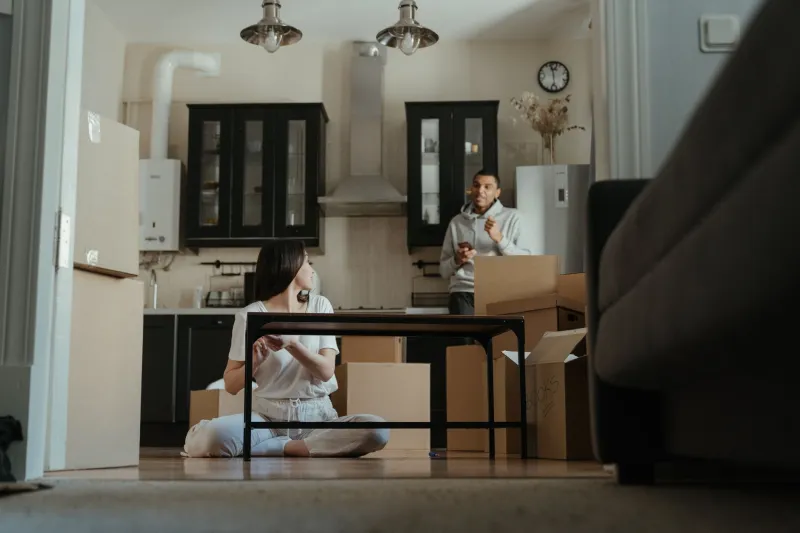
If you're a newlywed couple still figuring out how your two design sensibilities are supposed to live under one roof, the guest room is your low-pressure testing ground. Think of it as a design collaboration project before you tackle the bigger, higher-stakes rooms.
Why the Guest Room Is Actually the Best Room to Start With
When couples renovate together, tension usually comes from necessity. The kitchen has to function a certain way. The living room has to accommodate your actual couch, your actual TV, your actual Sunday morning habits. Every choice feels weighted because you both live with the consequences every single day.
The guest bedroom doesn't carry that weight. It's used occasionally, it doesn't need to serve your morning routine, and the person sleeping in it is a visitor — someone who will appreciate almost anything comfortable and thoughtfully put together.
That lower emotional stakes environment makes it easier to experiment. Want to try a bold wallpaper pattern that your partner loves but you're not totally sold on? Do it in the guest room. Want to finally display that collection of framed vintage travel posters from your twenties? Guest room. Want to test out a color palette you've been eyeing on Pinterest for months? You know where to put it.
The guest room gives you permission to take swings you might not take elsewhere.
Start by Letting Each Person Claim Something
One of the most practical ways to approach a shared design project is to divide ownership — not of the whole room, but of specific elements within it. Think of it less like splitting a room in half and more like each person contributing a distinct voice to the same conversation.
Maybe one partner takes the lead on the color story. They pick the wall color, the bedding palette, and the curtain fabric. The other partner gets the art and the accessories — what goes on the walls, what sits on the nightstand, what decorative objects give the room personality.
Or one person handles the furniture layout and the lighting choices while the other curates the textiles and soft goods. There's no single right way to divide it. The goal is just that both of you have a real stake in the outcome and can point to something in that room and say, that was mine.
That sense of ownership matters more than people realize. A home that feels like it genuinely belongs to both partners isn't built through endless compromise — it's built when both people feel seen in the space.
Blending Two Aesthetics Without Watering Either One Down
Here's the thing about compromise in design: when it's done badly, you end up with a room that feels like it belongs to nobody. Both partners gave something up and neither partner got what they really wanted. The result is beige in every sense of the word.
The better approach is integration, not dilution.
Say one partner leans toward a more traditional, warm aesthetic — think wood tones, layered textiles, antique-style furniture. The other is drawn to something cleaner and more modern, with minimal clutter and graphic contrast. Rather than splitting the difference into something vaguely transitional, look for the places where those two sensibilities can actually reinforce each other.
A dark, moody wall color (modern, graphic) paired with a linen duvet and a wooden bedframe with visible grain (warm, tactile) doesn't cancel itself out — it creates something interesting. A vintage nightstand lamp (traditional) next to a clean-lined bed with crisp white bedding (contemporary) can feel intentional and layered rather than mismatched.
The secret is finding a shared anchor point. Ask yourselves: what do we both want guests to feel when they walk into this room? Cozy? Calm? A little bit surprised? That emotional target becomes your north star, and it's usually easier to agree on feelings than on specific finishes.
Personal Touches That Tell Your Story as a Couple
A guest room is also one of the more natural places in your home to tell your story together — without it feeling forced or overly sentimental. Visitors spend time in this room, and small details become conversation starters.
Framed photos from your engagement or early travels together work well here because they're personal without being overwhelming. A small shelf with a few books that both of you love (or that represent each of you) adds warmth and a little personality. If you both have objects or mementos from your separate lives before marriage — a ceramic piece from one partner's college ceramics phase, a small print from the other's favorite neighborhood in their hometown — the guest room is a gracious place to display them. They're visible, they're honored, but they're not fighting for prime real estate in your everyday living spaces.
This kind of layering is what makes a home feel genuinely lived-in rather than staged. And it's something guests almost always notice and comment on, even if they can't quite articulate why.
The Practical Stuff Still Matters
For all the creative freedom the guest room offers, it still needs to actually work for people sleeping in it. A few things worth keeping in mind as you design:
Lighting matters more than people think. A single overhead fixture is rarely enough. Add a lamp on each nightstand so guests can read without disturbing each other, and consider a dimmer if you're updating the overhead light.
Storage for guests is often overlooked. Even a small luggage rack and a few empty hangers in the closet goes a long way. It signals that you thought about your guests, not just the aesthetic.
Bedding quality is worth the investment. You don't need a luxury hotel setup, but a mattress that doesn't sag, pillows with actual support, and sheets with a decent thread count make a real difference in how guests experience the room — and how they experience your home.
Blackout curtains are a quiet hero. Especially if the room faces east or gets direct morning sun. Your guests will thank you, even if they never say so.
Your First Creative Collaboration
There's something genuinely exciting about designing a space together for the first time. It's one of the more tangible ways that two people building a life together get to say: this is us, and we made this.
The guest room might not be the room you spend the most time in, but it's often the room that makes the strongest first impression on the people you love enough to invite into your home. It's worth caring about. And it's worth making it reflect both of you — not just the version of your taste that's easiest to agree on, but the real, layered, occasionally surprising combination of who you each are.
Start there. The rest of the house gets easier once you've figured out how to do this together.